Concrete pumps are a popular and convenient means of transferring liquid concrete. Be it any building site or renovation work; these machines enhance the project efficiency. For medical, housing and school infrastructure, the role of concrete is inevitable to ensure maximum strength, stability and durability.
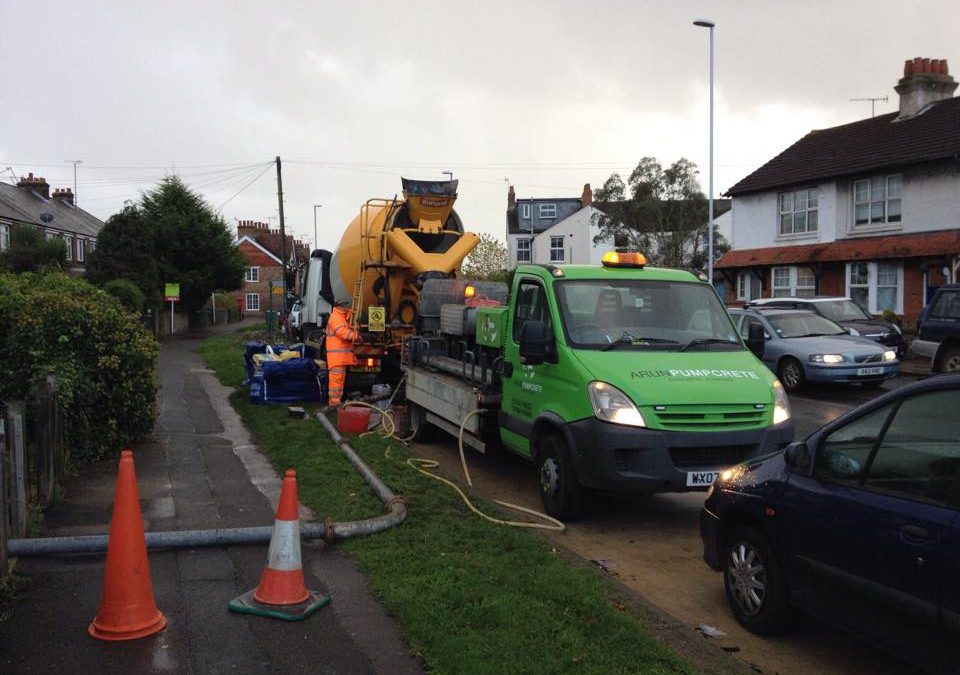
You can acquire premium-grade concrete pumping services from Arun Pumpcrete. The professionals ensure quick transportation of the pumps to different locations. You can count on them for the correct size of the line or boom pump. They assist with concrete pouring, undertake easy navigation through critical areas and more. Consult them for domestic and commercial services.
The Working Mechanism
The concrete pump has a valve system and works on the basic mechanism of hydraulics. Whenever you need concrete, you should get the mixing truck. This truck mixes the concrete inside the rotating drum. The truck will then pour liquid concrete into the hopper that continues to churn further. It happens through a valve and into the region where you should lay it down. At times, the operatives also use the auxiliary hose.
The twin-cylinder concrete pumps have a typical internal working mechanism. It consists of two parallel cylinders with drive pistons inside them. It moves back and forth in opposite directions. As a single-cylinder moves forward, the other one moves back and vice versa. The first cylinder is called a material cylinder, and it pulls concrete out of the hopper. The second one is called a discharge cylinder, and it pushes the concrete out of the pump at the desired location. The two pistons work in tandem as they alternately push and out the volumes of liquid concrete. The hydraulic flow created causes the cylinders to alternate back and forth. This continuous flow also prevents the liquid from solidifying.
How it Moves Through the Pump Lines?
While pumping the concrete, it separates from the pump line walls through a lubricating layer of cement, water and sand. Naturally, the concrete mix is suitable for particular applications; however, it should contain water so that the mix moves easily through the hose, reducers and benders found in the basic setup of pipelines. Pump primers greatly lower the risks associated with concrete pumping so that the lines last longer.
Some types of mixtures do not pump, and the lines clog. This can be a problem later down the line.
Different Types of Concrete Pumps
● Mobile Pumps
● Stationary Pumps
● Truck Mixer Concrete Pumps
● Truck Mounted Static Pumps
● Line Pumps
● Boom Pumps
Common Areas of Application
● Slab building foundations
● Highway overpasses
● Tunnels, bridges and dams
● Building basement foundations
● Sidewalks and driveways
● Patios and garden sheds
● In-ground swimming pool
Now, since you know more about the precise working mechanism of concrete pumps, choose the reliable services only.
Recent Comments